
Every article belongs to one of the health areas BioProfile measures. Filter by the area that is on your mind, or read them all from newest to oldest.
Filter by area
-

Mobility and balance: what a chair test and a firm grip say about memory and thinking
Read the article: Mobility and balance: what a chair test and a firm grip say about memory and thinkingOn mobility and balance: older women with a mild dip in memory and thinking were slower on a chair test and squeezed less hard. What does that mean?
-
Is kefir good for your gut? What human studies show, kefir or yoghurt, and what a gut scan measures
Read the article: Is kefir good for your gut? What human studies show, kefir or yoghurt, and what a gut scan measuresIs kefir good for your gut? What human studies show about gut bacteria, bowel movements and lactose, kefir or yoghurt, and when to see your GP.
-

Older adults falling asleep during the day: what is normal, what lies behind it and when to see your GP
Read the article: Older adults falling asleep during the day: what is normal, what lies behind it and when to see your GPOlder adults falling asleep during the day: does this sound familiar? How much sleep you need at 70, what makes older adults sleepy during the day and when to see your GP.
-

Pre-menopause symptoms: the first signs, the age it begins and the most common symptoms
Read the article: Pre-menopause symptoms: the first signs, the age it begins and the most common symptomsWhich pre-menopause symptoms there are, the age it begins, how to recognise the first signs and when to call your GP. Self-insight with a scan.
-

Lowering cortisol with supplements: what ashwagandha, omega-3 and magnesium do in studies, and what to watch out for
Read the article: Lowering cortisol with supplements: what ashwagandha, omega-3 and magnesium do in studies, and what to watch out forLowering cortisol with supplements: is it possible? Studies on ashwagandha, omega-3 and magnesium, what Lareb reports and when to see your GP about stress.
-

Supplements for stress: what research shows about ashwagandha, B vitamins, omega-3 and magnesium
Read the article: Supplements for stress: what research shows about ashwagandha, B vitamins, omega-3 and magnesiumSupplements for stress and anxiety: what studies found for ashwagandha, B vitamins, omega-3, magnesium, L-theanine and rhodiola, and when to call your GP.
-

ADD symptoms and fatigue: the signs, why you are so tired and when to see your GP
Read the article: ADD symptoms and fatigue: the signs, why you are so tired and when to see your GPADD symptoms and fatigue? The signs in adults, how often tiredness and sleep problems come with ADHD, what plays a part and when to call your GP.
-

Bryan Johnson and biological age: what studies say about measuring and slowing ageing
Read the article: Bryan Johnson and biological age: what studies say about measuring and slowing ageingBryan Johnson and biological age: what a test measures, what eating less, sleep and movement do in studies, and what a lifestyle scan can and cannot do.
-

Healthy weight and what your food leaves behind in your blood: vegetarians and meat eaters compared
Read the article: Healthy weight and what your food leaves behind in your blood: vegetarians and meat eaters comparedMore than a healthy weight: vegetarians, vegans and meat eaters differ in almost all the small molecules in their blood. What a large analysis found, and what it did not.
-

A vitality programme at work: what research shows, a Dutch example and what you can do yourself
Read the article: A vitality programme at work: what research shows, a Dutch example and what you can do yourselfWhat a vitality programme for employees can and cannot do, a Dutch example, ideas for a vitality week and when to see your GP.
-

Peter Attia and living longer: what large studies found about fitness, strength and steps
Read the article: Peter Attia and living longer: what large studies found about fitness, strength and stepsPeter Attia and living longer: what large studies found about fitness, strength and steps, what a lifestyle scan measures and when to see a doctor.
-

Sleep apnoea symptoms: how to recognise them, why they matter and when to see your GP
Read the article: Sleep apnoea symptoms: how to recognise them, why they matter and when to see your GPSleep apnoea symptoms: snoring, pauses in breathing and daytime sleepiness. How common it is, why it matters and when to see your GP.
-

Brown discharge after menopause: what it can mean, how often it is serious and when to call your GP
Read the article: Brown discharge after menopause: what it can mean, how often it is serious and when to call your GPBrown discharge after menopause counts as bleeding. What it can mean, how often it is serious, what the GP checks and when to call.
-

Strong muscles and bones: what bone quality, belly fat and age tell you alongside bone density
Read the article: Strong muscles and bones: what bone quality, belly fat and age tell you alongside bone densityStrong muscles and bones: more than a bone density number. What new research on vertebrae, belly fat and age showed, what it did not, and what you can do.
-

Endurance sport supplements: the few with evidence, what Dutch athletes take and why food comes first
Read the article: Endurance sport supplements: the few with evidence, what Dutch athletes take and why food comes firstEndurance sport supplements: which ones are well supported, what Dutch athletes take, what food does first and why contamination is a real risk.
-

Hair loss supplements: what the studies show, which deficiencies matter and when to see your GP
Read the article: Hair loss supplements: what the studies show, which deficiencies matter and when to see your GPHair loss supplements: what is backed by evidence, which deficiencies play a part, when more is too much and when to see your GP. Calm, with sources.
-

Why flu causes muscle aches: what your body is doing, how long it lasts and when to call your GP
Read the article: Why flu causes muscle aches: what your body is doing, how long it lasts and when to call your GPWhy flu causes muscle aches, how long the aches last, what Thuisarts advises and which signs mean you should call your GP straight away.
-

Healthy eating patterns that fit your culture: what a renewed nutrition algorithm proposes
Read the article: Healthy eating patterns that fit your culture: what a renewed nutrition algorithm proposesHealthy eating patterns last when advice fits your culture. What a renewed nutrition framework proposes, what it showed and what it did not.
-

Hair growth supplements: what the research shows, what you may be short of and when to see your GP
Read the article: Hair growth supplements: what the research shows, what you may be short of and when to see your GPWhich hair growth supplements have research behind them, what low iron or biotin means and when hair loss is a reason to see your GP.
-

Jaw bone inflammation symptoms: what you notice, where it starts and when to call the dentist
Read the article: Jaw bone inflammation symptoms: what you notice, where it starts and when to call the dentistJaw bone inflammation symptoms: how often it starts at a tooth, when to call the dentist or your GP, and what a recovery scan can and cannot tell you.
-

Heart rhythm, frailty and metabolism: why the combination weighs more heavily, and which protein comes along for the ride
Read the article: Heart rhythm, frailty and metabolism: why the combination weighs more heavily, and which protein comes along for the rideA metabolism under strain and early frailty together go with a higher chance of problems with heart rhythm and pumping strength. What FABP4 may tell you.
-

Going further in education than your parents, intrinsic capacity and a strong memory later: what five countries show
Read the article: Going further in education than your parents, intrinsic capacity and a strong memory later: what five countries showPeople who went further in education than their own parents had more intrinsic capacity later in life, across five countries. What that says about a strong memory, and what it does not.
-

Brain and focus: what small marks on your DNA and the APOE gene show about the ageing brain
Read the article: Brain and focus: what small marks on your DNA and the APOE gene show about the ageing brainNature Aging read 1,250 brain samples: marks on the DNA carry a small part of the APOE link. What this does and does not say about brain and focus.
-

Fitness and stamina as you age: wear and reserve together
Read the article: Fitness and stamina as you age: wear and reserve togetherWear on your stress systems and your reserve: what new research found about the two together, for anyone who keeps an eye on fitness and stamina.
-

Muscle soreness after a massage: how common it is, how long it lasts and when to call a doctor
Read the article: Muscle soreness after a massage: how common it is, how long it lasts and when to call a doctorMuscle soreness after a massage? How often it happens, how long it lasts, what massage does for muscle soreness after exercise and which signs mean you should call the doctor.
-

Melanoma symptoms and fatigue: how often tiredness comes with it, what it tells you and when to call your GP
Read the article: Melanoma symptoms and fatigue: how often tiredness comes with it, what it tells you and when to call your GPMelanoma symptoms and fatigue: is tiredness a sign? How common tiredness is during and after therapy, which skin signs count and when to call your GP.
-

What are bio-identical hormones? What the word means, what the studies show and when to see your GP
Read the article: What are bio-identical hormones? What the word means, what the studies show and when to see your GPWhat are bio-identical hormones: chemically the same as your body’s own. What studies can tell us about safety, risks and custom-made preparations.
-

Waking up in a fright, feeling like you are choking: the known causes, what a sleep scan measures and when to see your GP
Read the article: Waking up in a fright, feeling like you are choking: the known causes, what a sleep scan measures and when to see your GPWaking up in a fright, feeling like you are choking? The causes doctors name, how common they are, what a sleep scan measures and when to call your GP.
-

Energy and age: what the seasonal activity of genes in your nose does and does not tell you
Read the article: Energy and age: what the seasonal activity of genes in your nose does and does not tell youThe season shifts the activity of 1,731 genes in your nose. What Groningen found, and what it does not say about energy and age.
-

High cortisol symptoms: what long-term stress does to body and mind, and what a hormone scan measures
Read the article: High cortisol symptoms: what long-term stress does to body and mind, and what a hormone scan measuresHigh cortisol symptoms: tiredness, poor sleep, a low mood. What Dutch research found, what a hormone scan measures and when to see your GP.
-

Swollen hands on waking: what stiff, puffy fingers in the morning can mean
Read the article: Swollen hands on waking: what stiff, puffy fingers in the morning can meanSwollen hands on waking, stiff or tingling? What stiff, puffy fingers in the morning can mean and when to see your GP.
-

What is too high a heart rate: at rest, during exercise and in children, and when to call your GP
Read the article: What is too high a heart rate: at rest, during exercise and in children, and when to call your GPWhat counts as too high a resting heart rate, how high it can go during exercise, what is normal for a child and when to call your GP.
-

What is a heart rate that is too low? When a slow resting heart rate is normal and when to call the doctor
Read the article: What is a heart rate that is too low? When a slow resting heart rate is normal and when to call the doctorWhat is a resting heart rate that is too low? What is normal for men and women, why many athletes have a slower heartbeat and which signs mean you should call the doctor.
-

Mosquitoes that resist insecticides live longer, and that says nothing about your movement and strength
Read the article: Mosquitoes that resist insecticides live longer, and that says nothing about your movement and strengthA new article: one resistance gene costs a mosquito nothing and even makes its life longer. What was found, in whom, and what it does not say about movement and strength.
-

Recovery after an epileptic seizure: which after-effects are common, how long they last and when to get help
Read the article: Recovery after an epileptic seizure: which after-effects are common, how long they last and when to get helpRecovery after an epileptic seizure takes the brain time. Which after-effects are common, how long they last, what helps day to day and when to call 112.
-

Causes of fatigue: what is usually behind it, what the GP finds and when to get it checked
Read the article: Causes of fatigue: what is usually behind it, what the GP finds and when to get it checkedCauses of fatigue: the most common ones, from sleep and stress to iron, what the GP usually finds and when it is time to see a doctor.
-

Is a heart rate of 44 too low? What large studies found about a slow resting heart rate, and when to call your GP
Read the article: Is a heart rate of 44 too low? What large studies found about a slow resting heart rate, and when to call your GPIs a heart rate of 44 too low: what is normal, what large studies found, why trained people have a lower heart rate and which signs mean you should call your GP.
-

Heartbeat in your ear when lying down: what it can be, how often a cause is found and when to see your GP
Read the article: Heartbeat in your ear when lying down: what it can be, how often a cause is found and when to see your GPHear your heartbeat in your ear when lying down? What pulsing ear noise can be, what studies find behind it and when to contact your GP.
-

What is energy? What your body runs on, why your energy is sometimes low and what you can do yourself
Read the article: What is energy? What your body runs on, why your energy is sometimes low and what you can do yourselfWhat is energy for your body? How much you need, how common low energy is, what the GP usually finds and when to see a doctor.
-

What is tension? Tension in your body and mind, when it is normal and when it lasts too long
Read the article: What is tension? Tension in your body and mind, when it is normal and when it lasts too longWhat is tension, when is it normal, what is long-term stress linked to and when should you see your GP? With a stress scan for self-insight.
-

Recovery after fainting: what happens in your body, how long the tiredness lasts and when to see the doctor
Read the article: Recovery after fainting: what happens in your body, how long the tiredness lasts and when to see the doctorFainted? Recovery after fainting: what your body does, why tiredness can linger, what lowers the chance of it happening again and when to call the doctor.
-

Your dream, your reference values: why an outsider sees less emotion in the same dream
Read the article: Your dream, your reference values: why an outsider sees less emotion in the same dreamA dream feels more emotional to the dreamer than to the person reading the report. Reference values: what new research from Montreal found, and what it tells you.
-

Active metabolism: tirzepatide with an eating window and strength training in female mice
Read the article: Active metabolism: tirzepatide with an eating window and strength training in female miceActive metabolism: what an eating window and strength training added to tirzepatide for fat and muscle in female mice, and the limits.
-

High cortisol symptoms: the signs, what stress and weight have to do with it, and when to see your GP
Read the article: High cortisol symptoms: the signs, what stress and weight have to do with it, and when to see your GPHigh cortisol symptoms: what long-term stress, weight and medicines have to do with it, and when to see your GP.
-
Menopause supplements: what the studies found, the Dutch vitamin D advice and when to see your GP
Read the article: Menopause supplements: what the studies found, the Dutch vitamin D advice and when to see your GPMenopause supplements: which ones help? Thuisarts and Cochrane on black cohosh and soy, the Dutch vitamin D advice and when to see your GP.
-

Forgetful because of stress: what stress does to your memory, what burnout studies found and when to see your GP
Read the article: Forgetful because of stress: what stress does to your memory, what burnout studies found and when to see your GPForgetful because of stress? What stress does to your memory, what burnout studies found, what is known about your memory later in life and when to see your GP.
-

Cardiac rehabilitation at home, in a healthy environment: who is referred, who is passed over, and the link with fewer hospital admissions
Read the article: Cardiac rehabilitation at home, in a healthy environment: who is referred, who is passed over, and the link with fewer hospital admissionsOnly three in ten heart patients in California were referred to rehabilitation at home, in a healthy environment. Who was not, and what went along with that?
-

Extremely tired after eating: why a meal makes you sleepy, when it points to something more and what an energy scan measures
Read the article: Extremely tired after eating: why a meal makes you sleepy, when it points to something more and what an energy scan measuresExtremely tired after eating? What the afternoon dip, sugar and a big meal do, when it points to something more and when to call your GP.
-
Tired after the slightest effort: why a small effort wears you out, what research into long COVID and ME/CFS shows and when to see your GP
Read the article: Tired after the slightest effort: why a small effort wears you out, what research into long COVID and ME/CFS shows and when to see your GPTired after the slightest effort? What Dutch research into long-term fatigue shows, what your GP looks for and what an energy scan can and cannot measure.
-

Understanding blood values: what a Swedish register of 1.2 million adults shows about lingering covid symptoms and new high blood pressure
Read the article: Understanding blood values: what a Swedish register of 1.2 million adults shows about lingering covid symptoms and new high blood pressureUnderstanding blood values: a Swedish register of 1.2 million adults links long covid to slightly more frequent new high blood pressure. What it does and does not say.
-
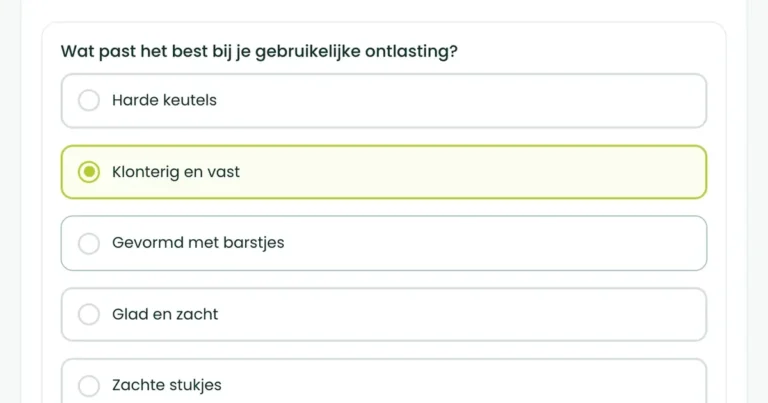
Is Yakult good for your gut? What research with the Shirota strain found and what a gut scan measures
Read the article: Is Yakult good for your gut? What research with the Shirota strain found and what a gut scan measuresIs Yakult good for your gut? What research on constipation and abdominal pain found, the sugar in a bottle, and when to call your GP about gut symptoms.
-

What are hormones: what hormones do in your body, what research links them to and what a hormone test measures
Read the article: What are hormones: what hormones do in your body, what research links them to and what a hormone test measuresWhat are hormones and what do hormones do in women? What large studies found, when to see your GP and what a hormone test measures.
-

Burnout symptoms: the physical and psychological signs, how it differs from being overstrained and what a stress scan measures
Read the article: Burnout symptoms: the physical and psychological signs, how it differs from being overstrained and what a stress scan measuresBurnout symptoms, physical and psychological: what Thuisarts lists, how burnout differs from overstrain, what research shows and when to see your GP.
-

Burnout symptoms in women: what your body and mind show, how it builds up and when to see your GP
Read the article: Burnout symptoms in women: what your body and mind show, how it builds up and when to see your GPBurnout symptoms in women: the signs in body and mind, why women report them more often, how burnout builds up and when to see your GP.
-

What does vitamin B12 do? What your body uses it for, who falls short and what extra B12 did in research
Read the article: What does vitamin B12 do? What your body uses it for, who falls short and what extra B12 did in researchWhat vitamin B12 does for your body, who falls short, whether too much is a risk, what extra B12 did in research and when to see your GP.
-

What is vitamin D3 good for: what your body does with it, who needs extra and what the large studies found
Read the article: What is vitamin D3 good for: what your body does with it, who needs extra and what the large studies foundWhat is vitamin D3 good for: what it does, who needs extra, how much a day and what large studies found about bones, mood and infections.
-

Strength training and cannabigerol: what a mouse study shows about muscle strength
Read the article: Strength training and cannabigerol: what a mouse study shows about muscle strengthIn mice with wasted muscles, strength training restored the muscle and cannabigerol added extra strength. What that means for you, and what it doesn’t show.
-

Co-biotics, gut flora and microbiome: what a lab gut showed and what it cannot tell you
Read the article: Co-biotics, gut flora and microbiome: what a lab gut showed and what it cannot tell youIn a lab gut, three supplement blends with co-biotics made the gut flora and microbiome produce more acids, without extra gas. What that does and does not say about you.
-
Vitamin D deficiency symptoms: what Thuisarts says about the sign, who needs extra and when a blood test helps
Read the article: Vitamin D deficiency symptoms: what Thuisarts says about the sign, who needs extra and when a blood test helpsVitamin D deficiency symptoms: what Thuisarts says about the complaints, who needs extra, why a blood test is rarely needed and when to see your GP.
-

Which resting heart rate is dangerous: what is normal, the warning signs and what large studies find
Read the article: Which resting heart rate is dangerous: what is normal, the warning signs and what large studies findWhich resting heart rate is dangerous? Normal values, warning signs that mean you call a doctor straight away, and what large studies find about high and low.
-
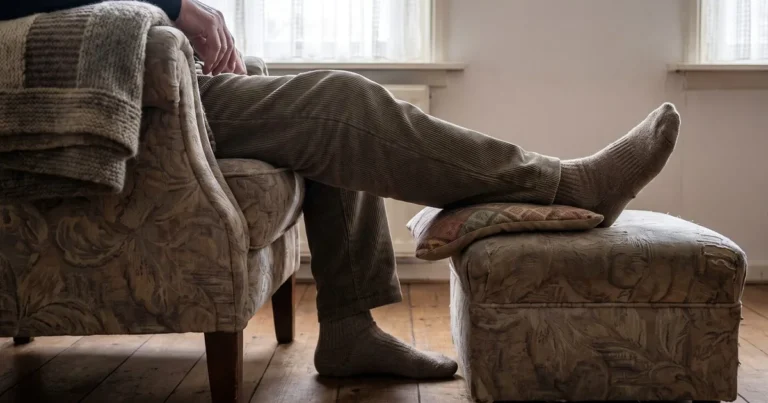
Anaemia symptoms and muscle pain: what low iron does in a working muscle, what your GP checks and what a recovery scan measures
Read the article: Anaemia symptoms and muscle pain: what low iron does in a working muscle, what your GP checks and what a recovery scan measuresAnaemia symptoms and muscle pain: which symptoms Thuisarts lists, what low iron does in a muscle and when to see your GP. With Dutch figures.
-

Meal timing and stable blood sugar: what a new review says about eating in time with your body clock
Read the article: Meal timing and stable blood sugar: what a new review says about eating in time with your body clockNot just what you eat, but also when. A new review on meal timing, your body clock and stable blood sugar, and what it does not show yet.
-

Immune signals in spinal fluid: what one raised marker says, and why it says nothing about recovery and resistance
Read the article: Immune signals in spinal fluid: what one raised marker says, and why it says nothing about recovery and resistanceOne immune signal was higher in the spinal fluid in a serious nerve condition. What that says, and why it says nothing about recovery and resistance.
-
Hormones after giving birth: what changes, how long the highs and lows last and when to call someone
Read the article: Hormones after giving birth: what changes, how long the highs and lows last and when to call someoneWhat happens to your hormones after giving birth, how long the weepy days last, when it may be something more and when to call your midwife or GP.
-

Symptoms of mental exhaustion: how to recognise them, how long they last and what an energy scan measures
Read the article: Symptoms of mental exhaustion: how to recognise them, how long they last and what an energy scan measuresSymptoms of mental exhaustion? How it feels in your body and mind, how long it lasts, what research finds and when to see your GP. And what an energy scan measures.
-

Beyond total sleep time: sleep characteristics, weight and lifestyle in children aged 6 to 10, with an eye on energy through the day
Read the article: Beyond total sleep time: sleep characteristics, weight and lifestyle in children aged 6 to 10, with an eye on energy through the dayNot just the hours: in 738 children, bedtime, wake-up time and a regular rhythm went together with weight, physical activity and eating. What it says about energy through the day.
-

An eating plan to burn belly fat: what to eat, what to eat less of and which exercise counts
Read the article: An eating plan to burn belly fat: what to eat, what to eat less of and which exercise countsAn eating plan to burn belly fat: what to eat and what to eat less of, which exercise research shows lowers belly fat, how to measure your waist and when to see your GP.
-

Palpitations after eating: how they start, which food and drink play a part and when to call a doctor
Read the article: Palpitations after eating: how they start, which food and drink play a part and when to call a doctorPalpitations after eating are usually harmless. Which food and drink are linked to them, the role of the stomach and the signs that mean you should call a doctor straight away.
-

At what heart rate do you die? What your resting heart rate says about risk, and when to call the doctor
Read the article: At what heart rate do you die? What your resting heart rate says about risk, and when to call the doctorAt what heart rate do you die: there is no fixed number. Large studies on the link with a high or low resting heart rate, what is normal and when to call the doctor.
-

Resilience under stress, passed on by the mother: what long-lived fruit flies show
Read the article: Resilience under stress, passed on by the mother: what long-lived fruit flies showIn long-lived fruit flies, resilience under oxidative stress was passed on mainly through the mother. What that means, and what it does not say about people.
-

Physical exhaustion symptoms: how it feels, what lies behind it and when to see your GP
Read the article: Physical exhaustion symptoms: how it feels, what lies behind it and when to see your GPPhysical exhaustion symptoms: how it feels, how common it is, how burnout feels in your body and which signs should send you to your GP.
-

Weight that won’t shift because of hormones: what the menopause, PCOS, the thyroid and cortisol do, and what a hormone scan measures
Read the article: Weight that won’t shift because of hormones: what the menopause, PCOS, the thyroid and cortisol do, and what a hormone scan measuresWeight that won’t shift because of hormones? What the menopause, PCOS, a slow thyroid and cortisol do, what a hormone scan measures and when to see your GP.
-

Muscles after heart surgery later in life: what CT saw, and what it means for strong muscles
Read the article: Muscles after heart surgery later in life: what CT saw, and what it means for strong musclesAfter heart surgery later in life, muscle shrank within weeks and took on more fat. What CT saw, what it missed and what it means for strong muscles.
-

Heart palpitation symptoms: what they mean, what your GP finds and when to call straight away
Read the article: Heart palpitation symptoms: what they mean, what your GP finds and when to call straight awayHeart palpitation symptoms: what they mean, the common causes, how they differ from a heart rhythm disorder and when to call your GP straight away.
-
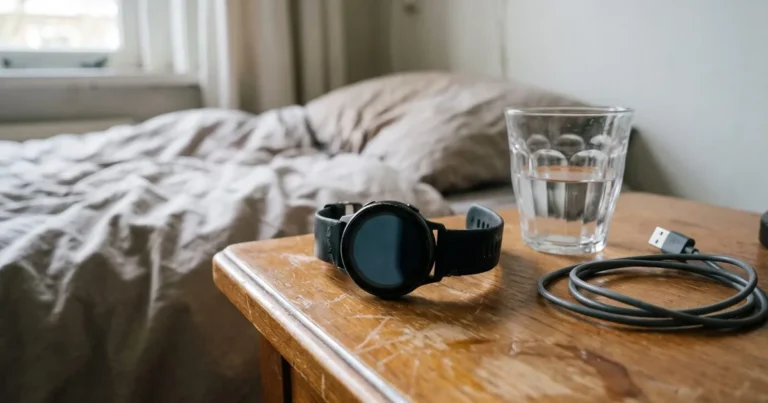
Palpitations after alcohol: why they happen, how long they last and when they are dangerous
Read the article: Palpitations after alcohol: why they happen, how long they last and when they are dangerousPalpitations after alcohol: why your heart beats faster, how long it lasts, what studies say about heart rhythm disorders and when to call your GP.
-
Is banana good for your bowel movements? What the studies show, why ripeness matters and what a gut scan measures
Read the article: Is banana good for your bowel movements? What the studies show, why ripeness matters and what a gut scan measuresIs banana good for your bowel movements? What research on banana, kiwi and fibre shows, why ripeness matters and when to see your GP.
-

Is yoghurt good for your gut? What the studies show, which yoghurt to choose and what a gut scan measures
Read the article: Is yoghurt good for your gut? What the studies show, which yoghurt to choose and what a gut scan measuresIs yoghurt good for your gut? What yoghurt does to your gut bacteria and your bowel movements, which yoghurt to choose and when to see your GP.
-

Causes of palpitations: what can be behind them, the warning signs and what the GP usually finds
Read the article: Causes of palpitations: what can be behind them, the warning signs and what the GP usually findsPalpitations are usually not dangerous. The causes of palpitations, everyday and medical, the warning signs and what tests at the GP find.
-

When your mood drops, the years seem fewer: what a study of 5,259 older adults in Thailand found, read through the lens of recovery after exercise
Read the article: When your mood drops, the years seem fewer: what a study of 5,259 older adults in Thailand found, read through the lens of recovery after exercise5,259 older adults in Thailand: as low mood rose, people later expected to live shorter lives. What the study found and did not show, including on recovery after exercise.
-

The burden of an ultra-rare inherited skin condition: feeling good in your skin when doing everything right is not enough
Read the article: The burden of an ultra-rare inherited skin condition: feeling good in your skin when doing everything right is not enoughIf you have an ultra-rare skin condition, you avoid light and still get blisters. What that teaches about feeling good in your skin under unpredictable stress.
-

Connection and meaning: what brushing does to your bite splint
Read the article: Connection and meaning: what brushing does to your bite splintConnection and meaning: a lab test on bite splint material. Toothpaste changed every surface, and a neutral cleaning product was the mildest.
-
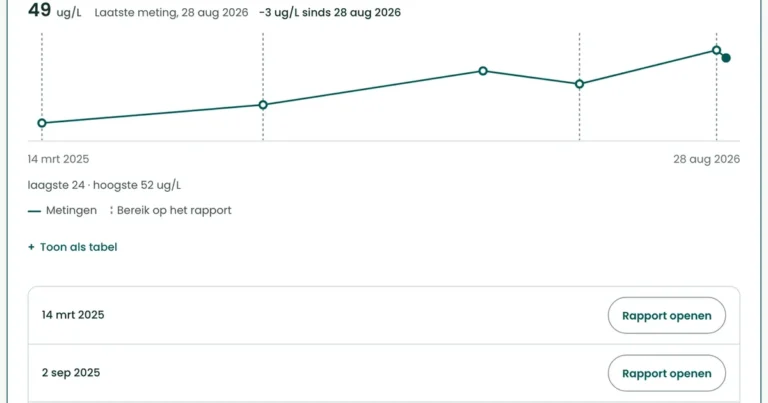
Which blood values matter: the values measured most often, what their limits mean and what a blood test misses
Read the article: Which blood values matter: the values measured most often, what their limits mean and what a blood test missesWhich blood values matter, what their limits tell you, what a blood test finds when you are tired and when to see your GP. Never a diagnosis, but insight.
-

Habits that last: what a short check-in on food, exercise, sleep and stress showed
Read the article: Habits that last: what a short check-in on food, exercise, sleep and stress showedHabits that last: in 41 adults, a check-in on eating, movement, sleep and stress went together with more vegetables and water, better sleep and less stress.
-

What is digestion: the route your food takes, how long it lasts and what a gut scan measures
Read the article: What is digestion: the route your food takes, how long it lasts and what a gut scan measuresWhat is digestion? How your food travels from mouth to gut, how long that takes, what affects it and when to see a doctor about gut complaints.
-

Early menopause symptoms: what women notice, how a doctor confirms it and when to see your GP
Read the article: Early menopause symptoms: what women notice, how a doctor confirms it and when to see your GPEarly menopause symptoms before 40 or 45: what women report, how a doctor confirms it, what a hormone scan measures and when to see your GP.
-

What is non-HDL cholesterol: the level in your blood, what it tells you, what level is good and when to see your GP
Read the article: What is non-HDL cholesterol: the level in your blood, what it tells you, what level is good and when to see your GPWhat is non-HDL cholesterol, what does the level in your blood tell you, what level counts as good, how do you lower it and when should you see your GP?
-

Exhausted by grief: why a loss drains your body, what studies find and when to see your GP
Read the article: Exhausted by grief: why a loss drains your body, what studies find and when to see your GPExhausted by grief, sleeping badly, tired all day. What studies find about grief and the body, when to call your GP and what an energy scan measures.
-

What is worrying? How it differs from thinking things through, what it does to your body and what can help
Read the article: What is worrying? How it differs from thinking things through, what it does to your body and what can helpWhat is worrying: the signs, how it differs from ordinary thinking, what it does in your body, what can help and when to see your GP.
-

Jolting awake again and again as you fall asleep: what a sleep start is, how common it is and when to see your GP
Read the article: Jolting awake again and again as you fall asleep: what a sleep start is, how common it is and when to see your GPDo you keep jolting awake as you fall asleep? What a sleep start is, what a bang in your head means, what tends to go with it and when to see your GP.
-

Waking up rested: why the night and a clear head belong together, and a shorter thinking test
Read the article: Waking up rested: why the night and a clear head belong together, and a shorter thinking testNever wake up rested? Why sleep and a clear head go together, and what a short thinking test in 3,259 older adults in China did and did not show.
-

Lasting fatigue after burnout: what can remain, how long it can last and how your energy comes back
Read the article: Lasting fatigue after burnout: what can remain, how long it can last and how your energy comes backLasting fatigue after burnout? What long-term research shows, what can still remain, what helps and when to see your GP.
-

Causes of extreme fatigue: what is usually behind it, what the GP finds and when to get checked
Read the article: Causes of extreme fatigue: what is usually behind it, what the GP finds and when to get checkedExtreme fatigue has many possible causes. What Dutch GPs usually find, how often an illness is behind it, iron, and when to call your GP.
-

What to do about burnout: the three steps back, rest and exercise, and the way back to your work
Read the article: What to do about burnout: the three steps back, rest and exercise, and the way back to your workWhat to do about burnout: how you notice it, the three steps Thuisarts describes, rest, exercise, getting back to work and when to call your GP.
-

High blood sugar from inflammation or infection: how illness and blood sugar affect each other, and what a metabolism scan measures
Read the article: High blood sugar from inflammation or infection: how illness and blood sugar affect each other, and what a metabolism scan measuresHigh blood sugar from inflammation or infection: is that possible? What research shows in both directions, the signs listed by Thuisarts and when to call your GP.
-

Healthy years or more years: why three researchers call that choice a cliché
Read the article: Healthy years or more years: why three researchers call that choice a clichéResearchers call ‘not more years but healthy years’ a misplaced cliché. What the article argues and does not prove, plus the Dutch figures.
-

Hormones out of balance, symptoms in women: the signs in women, the common causes and when to see your GP
Read the article: Hormones out of balance, symptoms in women: the signs in women, the common causes and when to see your GPHormones out of balance, symptoms in women: hot flushes, irregular periods and tiredness in women, the common causes and when to see your GP.
-

Falling asleep during the day: how normal it is, what lies behind it and when to see your GP
Read the article: Falling asleep during the day: how normal it is, what lies behind it and when to see your GPFalling asleep during the day: how normal it is, the causes linked to it, what it can mean at an older age and when to see your GP.
-

High cholesterol symptoms: what you feel, which signs you can see and when to go to your GP
Read the article: High cholesterol symptoms: what you feel, which signs you can see and when to go to your GPYou usually don’t feel high cholesterol symptoms. Which signs you can see, when a value is too high and when to go to your GP.
-

Immune system balance and ageing: what a new review says about plant compounds from traditional Chinese medicine
Read the article: Immune system balance and ageing: what a new review says about plant compounds from traditional Chinese medicineNew study on immune system balance: how compounds from Chinese medicine affect several ageing processes at once, and what is not yet established.
-

The brain after a heart-lung machine: biomarkers and blood values, and what two of them showed in a new study in sheep
Read the article: The brain after a heart-lung machine: biomarkers and blood values, and what two of them showed in a new study in sheepBiomarkers and blood values after a heart-lung machine: a sheep study from Melbourne tracked two brain proteins in the blood. What it showed and what it did not.
There is no article in this area yet.
Measure where you start
Reading does not change your own numbers yet. A scan turns your answers into a profile for each health area, so you know where you stand today.
Free, about 3 minutes. An analysis of your answers, never a diagnosis.
BioProfile is not a doctor and does not make a diagnosis. The articles on this page are general information. If you have symptoms that persist, discuss them with your GP.